HOW IT WORKS
A view thrown onto paper
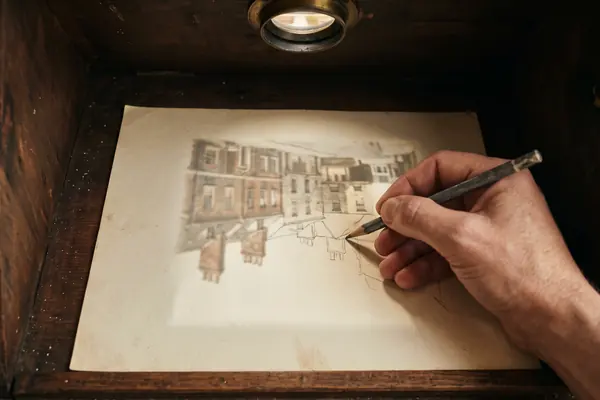
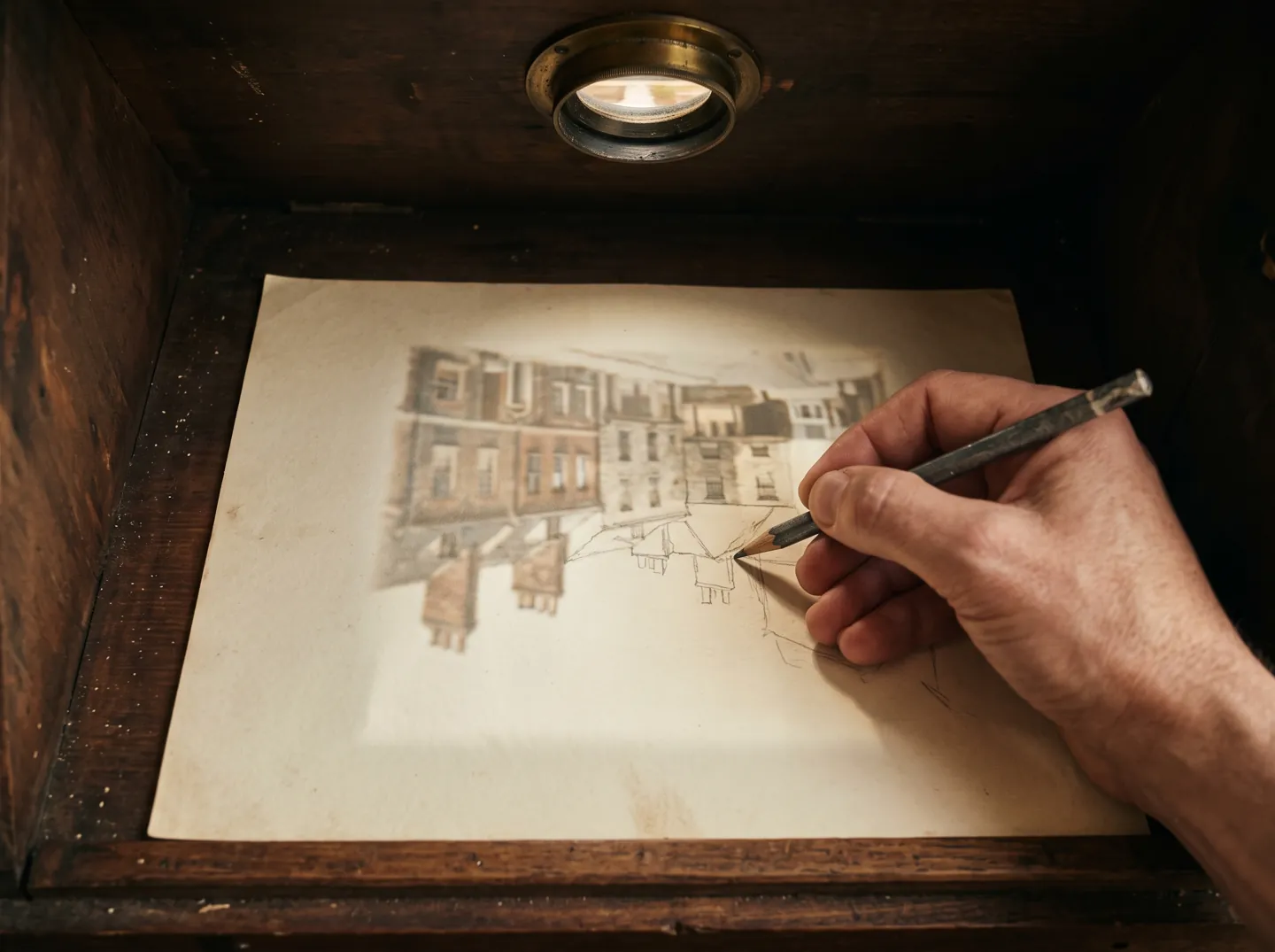
The National Gallery describes a lens fixed to an opening in a darkened tent or box. Light from the view is projected on a much smaller scale inside, where it can be traced.
More on the device camerapainter
BEFORE PHOTOGRAPHY
The camera obscura is the ancestor of the modern camera.
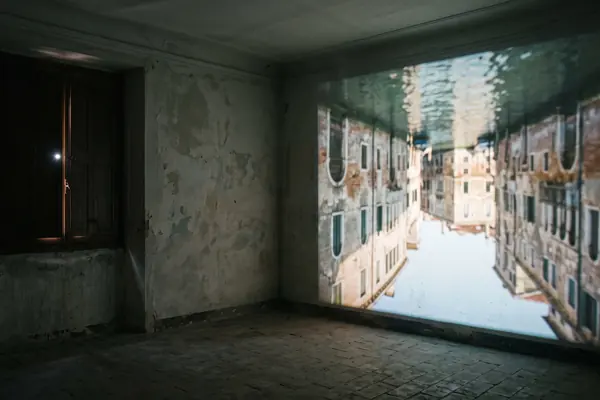
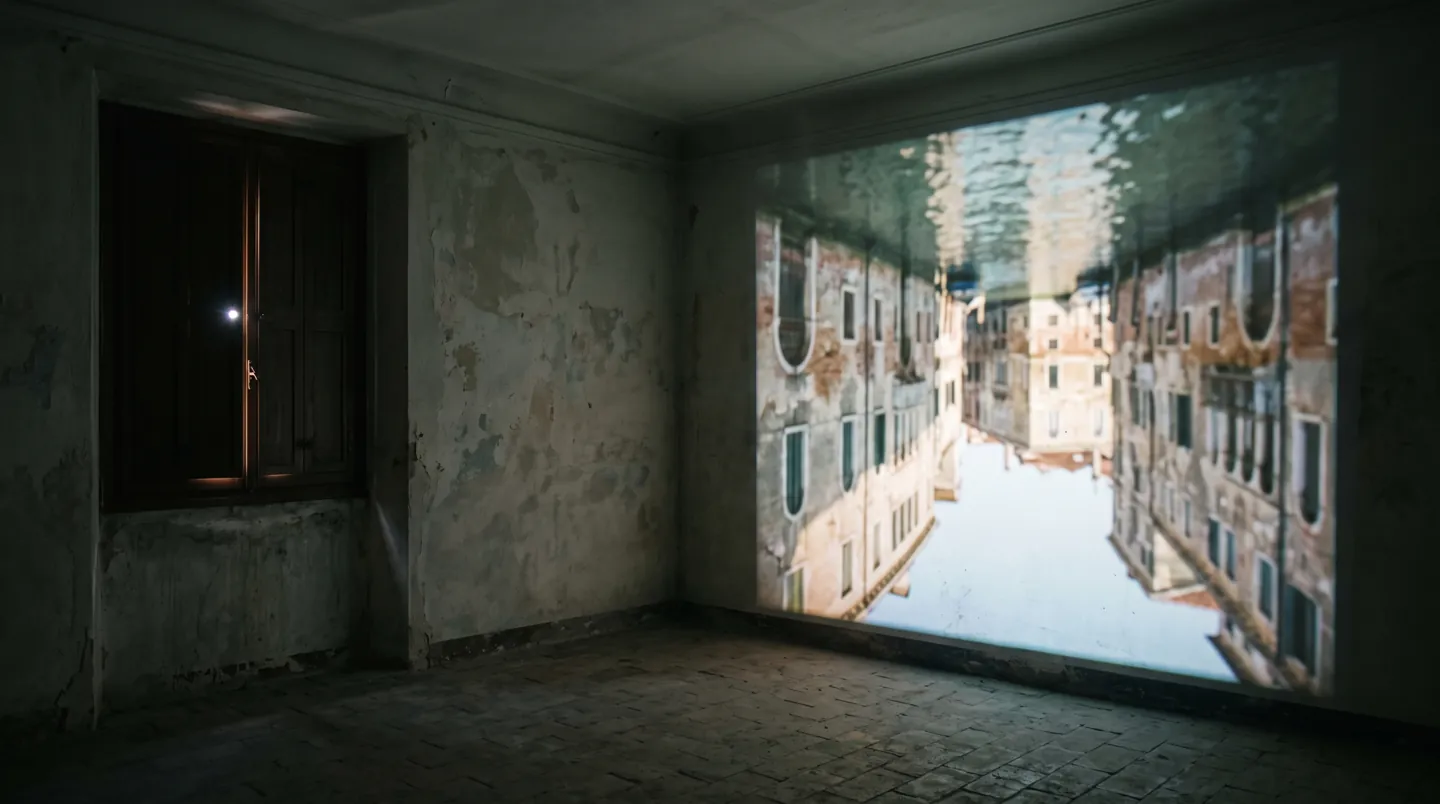
Light through a lens in a darkened tent or box throws a small image of the view onto a surface, where it can be traced. Some painters used it from the 17th century. The interesting question is how, and how much.
TRACED OR DRAWN? the evidence, case by case
Weigh the evidenceTHE SHORT ANSWER
For Canaletto, the answer depends on which works you mean.
Researchers and curators have tested both.
HOW IT WORKS
The National Gallery describes a lens fixed to an opening in a darkened tent or box. Light from the view is projected on a much smaller scale inside, where it can be traced.
More on the deviceTHE SKETCHES
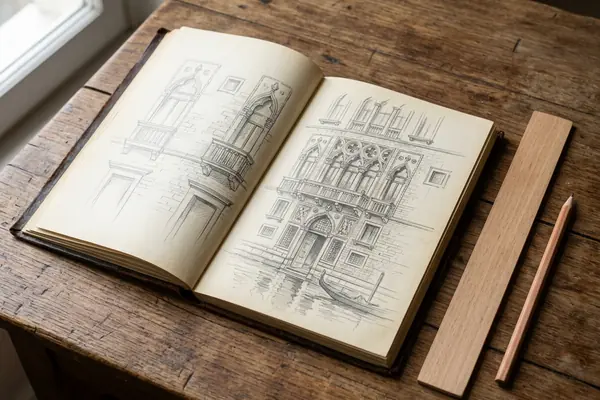
UCL emeritus professor Philip Steadman argues that Canaletto used a camera obscura for careful sketches of Venice's buildings, kept in a notebook in the Gallerie dell'Accademia.
Compare the casesTHE DRAWINGS
Infrared images studied by the Royal Collection Trust in 2017 showed meticulous pencil and ruler underdrawing beneath finished drawings, not tracing, the curator said.
How it was tested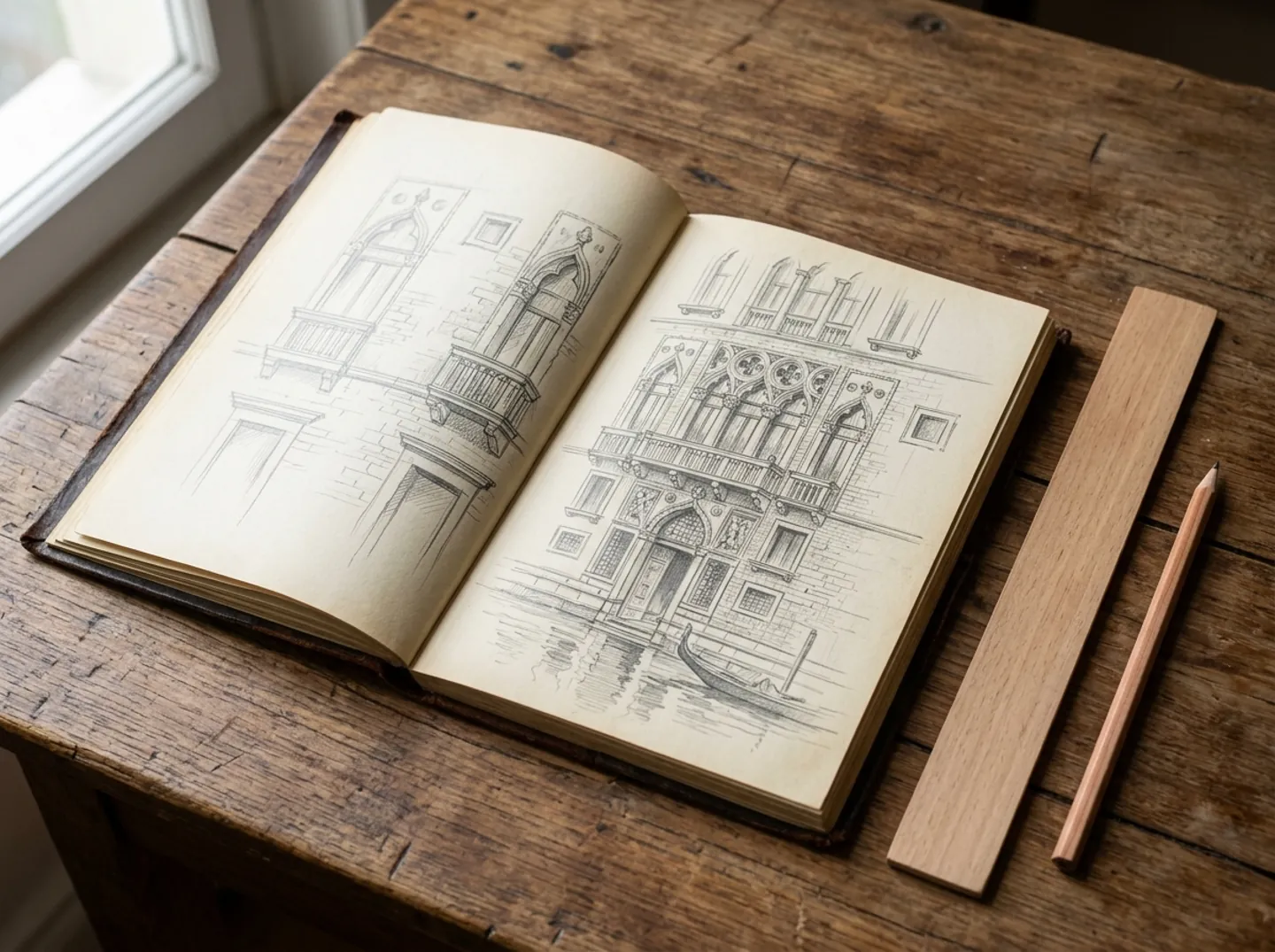
HOW EXPERTS CHECK
Nobody can watch Canaletto work, so researchers compare and look beneath the ink. These are the methods used in the studies on this page.
Steadman laid sketches digitally over a painting and over photographs taken from the artist's viewpoints in Venice to see how closely they match.
A reconstructed 18th-century tent camera showed sketches technically similar to Canaletto's were possible to make.
Infrared rarely works on paper, but here it revealed the pencil underdrawing beneath Canaletto's pen and ink.
Ruled lines for buildings and reflections, and freehand birds, clouds and ripples, show a planned drawing rather than a traced image.
TWO NUMBERS WORTH KNOWING
One number for the sketches researchers have tested,
one for how long the claim has been around.
140 pages
Pages of Canaletto's Venice sketches
The notebook in the Gallerie dell'Accademia provided raw material for paintings of the 1730s and for finished drawings. Steadman superimposed its sketches digitally on a painting and on photographs.
SKETCHBOOK · ACCADEMIA
1771
When a biographer said he traced
A biographer wrote in 1771 that Canaletto used a camera obscura to trace key works, a claim disputed ever since. Infrared study in 2017 found his finished drawings were planned with pencil and ruler.
THE CLAIM · 1771
The National Gallery's own summary: Canaletto may have used a camera obscura for topographical accuracy in some designs, but he always cared about composition, not just recording views.
CASE BY CASE
Pick a case to see what the sources say. The bar shows how strongly the evidence points to a camera obscura being used.
Summarised from the National Gallery, London, Drawing Matter (Philip Steadman) and reports of the Royal Collection Trust's 2017 infrared study.
THE DEVICE
The National Gallery calls the camera obscura an optical device that is the ancestor of modern cameras. From the 17th century some artists used it as an aid to plotting compositions.
A Royal Collection Trust spokesman described it in 2017 as a box that let artists trace an inverted image of a view, formed by rays of light passing through a small hole. Canaletto's notebook sketches, Steadman says, needed a bigger version: a booth or tent the artist worked inside.
Questions
An optical device, the ancestor of the modern camera. A lens in an opening of a darkened tent or box projects a smaller image of the view inside, where it can be traced.
The National Gallery says it is known to have been used by Canaletto. Steadman links it to his Venice sketchbook, while the Royal Collection Trust's 2017 study found his finished drawings were drawn with pencil and ruler, not traced.
Yes. The Royal Collection Trust described the device as letting artists trace an inverted image of a view formed by light through a small hole.
The National Gallery says the Delft artists Fabritius and Vermeer may have experimented with it. That is a possibility, not an established fact.
The National Gallery notes that Canaletto always remained concerned with satisfying compositional design, not simply slavishly recording views.
Updated
ABOUT THIS NAME
camerapainter.com is part of the DoodleSale portfolio. It isn't in an auction right now, but you can ask about leasing it.